

blogs Over begaafdheid, loopbaan en persoonlijke ontwikkeling

High+ Giftedness: Marching to a different drum
Since writing about my own experiences as a highly gifted individual, a specific kind of people found their way to Your Evolving Self for career development support.
Many of them were not merely gifted in the usual sense. They showed a level of complexity, speed, intensity, alienation, autonomy and inner pressure that pointed to something more specific. Some had formal IQ test results. Many did not. But in conversation, the pattern was often unmistakable:
They were not just quicker thinkers, they were operating from a different inner architecture. They were marching to a different drum.

Integratie als hoogste leerdoel van hoogbegaafden
Er zijn mensen voor wie leren een middel is. Én er zijn mensen voor wie leren een bestaansvorm is. A way of life.
Hoogbegaafden behoren doorgaans tot de tweede categorie. Voor hen is wat ze creëren een informerende stepping stone. Feedback voor de ontwikkeling van hun Zelf. Voor hen houdt binnen de Taxonomie van Bloom leren dan ook niet op bij Creatie, maar vraagt het om Integratie als 7e niveau.
Hoe dat zit en hoe je 'Integratie' handen en voeten kunt geven in het onderwijs, maar zeker ook je dagelijks leven als hoogbegaafde volwassene, is het onderwerp van deze blog.

The Dark Face Of Empathy And How To Lighten It Up
Empathy has exceptional PR. In leadership, coaching, HR and cultural work, it is often treated as a moral trump card: more empathy means better people, better organizations, better everything! But that equation is incomplete.
In its healthy form, empathy helps us understand another person’s inner reality without losing our own center. In its unhealthy form, it becomes emotional fusion, moral theater, or self-image maintenance. A blog about the Dark Face of Empathy and how to lighten it up.
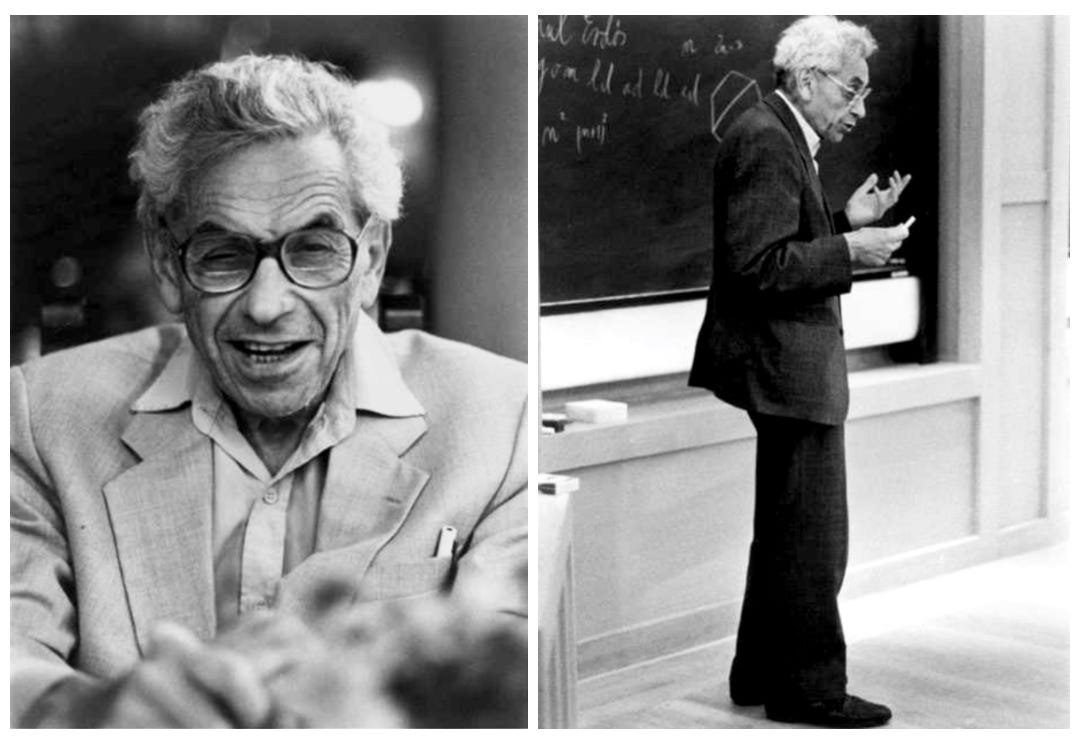
Why Maslow’s Pyramid Often Works in Reverse for the Gifted
Psychologist Abraham Maslow famously described human motivation as a hiërachy of needs, later to be simplified into a pyramid by others: first we take care of our physical needs, then safety, belonging, and status and only then do we focus on meaning, purpose, and self-actualization. For many gifted people, especially the highly and exceptionally gifted, this order does not match their lived reality. They often start at the top and seem to live by a reversed piramid; a way of life skillfully pushed to its extreme by the Wandering Mathematician Paul Erdős.

The Four Roles that support Gifted Development
Working with the gifted can be many things but dull certainly isn’t one of them. They differ so much from each other with widely different biographies, while at the same time sharing certain giftedness specifics, that no two developmental trajectories are the same. The work is complex and I regularly find myself in different roles in relation to the client. This depends heavily on where the client is at a certain stage in the process and sometimes even within one sitting.
In this blog I delve into the roles I see as relevant when supporting gifted individuals in actively shaping their lives and careers and why as a practitioner it is useful to be aware of them.

Do You Have to Be Gifted to Work with the Gifted?
Working with gifted and highly gifted individuals is both a privilege and a challenge. Their minds move fast, their questions run deep, their intensity overwhelms and their sensitivity often extends into territories that many professionals have never had to navigate. And that makes working with these remarkable people a delicate and responsible job, especially when clients have had more than their share of negative experiences in life. But does that mean you have to be gifted yourself to effectively work with them?